When Love Looks Like Letting Go: Supporting Families Who Foster and Adopt
These brave neighbors are opening their hearts and homes to children who need them most. Here's how we can all help.
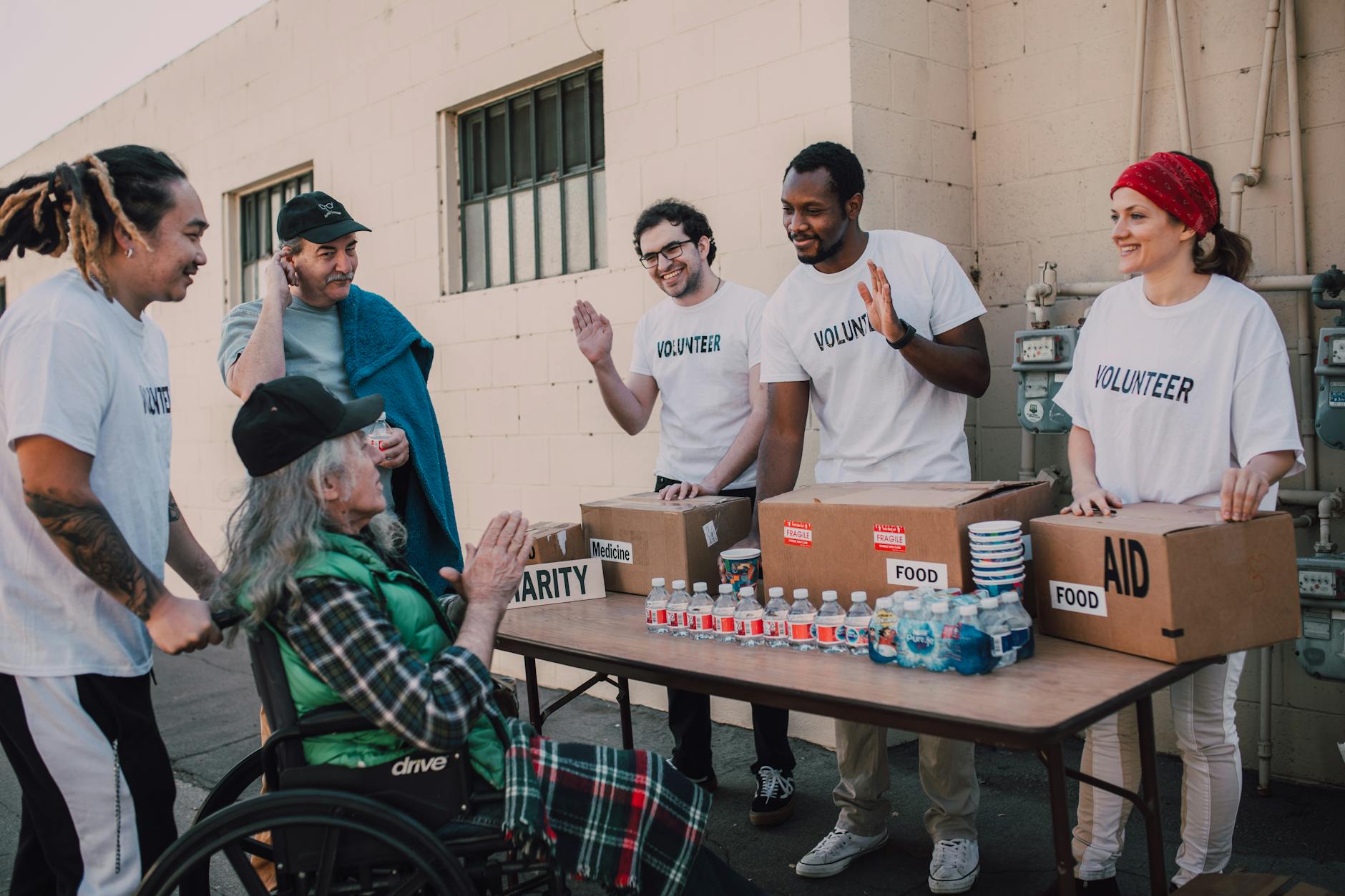
The Smith Family’s Quiet Courage
Last month at our neighborhood block party, I watched the Smiths’ three kids race around with the other children, their laughter mixing with the summer evening air. What struck me wasn’t just their joy, but how naturally they’d become part of our little community fabric. Two years ago, Sarah and Mike Smith made a decision that would forever change not just their family, but ripple through our entire neighborhood: they opened their home to foster care.
“We had this extra bedroom after our youngest went to college,” Sarah shared with me over coffee recently. “But it wasn’t really about the space. It was about the space in our hearts that we felt called to fill.”
The Smiths aren’t unique in our community. Walk down any suburban street, and you’ll likely find families like theirs—quiet heroes who’ve chosen to love children who’ve experienced trauma, loss, and uncertainty. It takes a village to raise any child, but it takes a village that shows up to support families walking this particularly tender path.
Understanding the Journey
Fostering and adoption aren’t just about providing a roof over a child’s head. These families are offering stability to children whose young lives have been marked by disruption. They’re learning specialized parenting approaches, navigating complex emotions, and often doing it while helping children heal from experiences no child should endure.
Dr. Jennifer Martinez, a family therapist who works with many local foster families, explains it this way: “These parents are learning to parent with incredible intentionality. They’re asking questions like ‘Is this worth the battle?’ not because they’re giving up, but because they’re choosing their moments with wisdom.”
Trauma-informed parenting looks different from traditional discipline models many of us grew up with. It’s about creating safety first, building trust slowly, and understanding that a child’s challenging behavior often comes from a place of fear, not defiance.
How Our Community Can Show Up
The beautiful truth about suburban communities is that we’re naturally designed to support each other. When the Johnsons’ foster daughter started at the elementary school, other parents quietly made sure she felt included in birthday party invitations. When the Garcias needed respite care for their adopted siblings, three different families stepped up to help.
Here are practical ways we can all support the foster and adoptive families in our neighborhoods:
• Be inclusive without being intrusive. Invite these families to community events just like any other neighbor. Don’t ask probing questions about the children’s stories—let the family share what they’re comfortable sharing.
• Offer specific help. Instead of saying “let me know if you need anything,” offer concrete assistance: “I’m going to Target this afternoon—can I pick anything up for you?” or “Would it help if I carpooled with you to soccer practice?”
• Support at school and activities. These children benefit enormously from feeling “normal.” If you’re room parent or team mom, make sure foster and adopted children are included in everything.
• Understand the process. Foster families often can’t make last-minute plans due to court dates or therapy appointments. Adoptive families might be navigating ongoing relationships with birth families. Flexibility and understanding go a long way.
The Ripple Effect of Love
What I’ve witnessed in families like the Smiths is remarkable. Their biological children have developed extraordinary compassion and resilience. Their foster and adopted children bring unique perspectives and strengths that enrich the entire family dynamic. And our neighborhood? We’ve all learned something about unconditional love.
“Initially, I worried about how fostering would affect our bio kids,” admits Mike Smith. “But watching them learn to love without conditions, to be patient with trauma responses, to celebrate small victories—it’s made them better people.”
The children who come through foster care and adoption often carry wisdom beyond their years. They understand gratitude in ways that can humble adults. They know the value of stability, of bedtime routines, of someone showing up. These aren’t broken children who need fixing—they’re resilient survivors who need love, patience, and community.
When the Village Shows Up
Recently, our local church organized a “Foster Family Care Package Drive.” The response was overwhelming—diapers, school supplies, gift cards for teenage clothes, and homemade meal certificates poured in. But the most meaningful response came from the teenagers in our youth group who started a babysitting co-op specifically to give foster parents date nights.
“It takes a village, and this village showed up,” Sarah Smith told me, tears in her eyes. “Not just with stuff, but with hearts that understand this calling.”
Churches, schools, and community organizations are uniquely positioned to support these families. Many are organizing respite care networks, hosting adoption fundraisers, and creating support groups where parents can share resources and encouragement.
Small Acts, Big Impact
You don’t need to become a foster parent yourself to make a difference. Sometimes it’s as simple as:
• Treating all children in a family the same way, regardless of how they joined it • Understanding that some families have complicated holiday schedules due to court orders or birth family visits • Celebrating adoption finalization days like the holidays they are • Supporting local organizations that serve children in care • Advocating for policies that strengthen families and support child welfare
The Long View of Love
The families in our community who’ve opened their hearts to fostering and adoption are living out love in its most practical form. They’re proving that families aren’t just created by biology—they’re created by choice, commitment, and daily acts of caring.
As I watch the Smith children playing in our cul-de-sac, I’m reminded that this is how communities heal children, one family at a time. These are the people who make our neighborhoods home—not just for the children they’re loving, but for all of us privileged to witness love in action.
If you’re looking for a way to give back to your community, consider how you might support the foster and adoptive families around you. Sometimes the most profound ministry happens right in our own neighborhoods, where ordinary people are doing extraordinary things simply because love called them to.