How to Teach Your Kids About Fair Play When the Grown-Ups Aren't Playing Fair
When political gamesmanship makes headlines, here's how to help your children understand integrity and fairness.
You’re folding laundry and catching up on the news when your middle schooler plops down beside you with that look — the one that says they’ve been thinking about something big. “Mom, why do adults always talk about playing fair with us kids, but then they don’t do it themselves?”
It’s one of those parenting moments that catches you off guard, isn’t it? Maybe they’ve heard snippets about redistricting debates, or perhaps it was something about gerrymandering on the evening news. Whatever sparked the question, you’re faced with explaining why the adult world sometimes falls short of the values we’re trying to instill in our children.
When the News Hits Close to Home
Our kids are watching more than we realize. They hear us talking about elections, fairness, and representation at the dinner table. They catch fragments of news stories while we’re driving to soccer practice. And increasingly, they’re asking tough questions about why the grown-up world doesn’t always operate by the same rules we teach them on the playground.
The recent discussions about redistricting and electoral maps provide a perfect case study in how to address these challenging conversations with grace and wisdom. Your children don’t need to understand the complex mechanics of political redistricting, but they can absolutely grasp the underlying principles of fairness, integrity, and doing what’s right even when no one is watching.
Starting with What They Know
Begin where your child is. If they’re involved in sports, they understand referees and rules. If they play board games, they know about following directions and taking turns fairly. These everyday experiences become your teaching tools.
“Remember when Tommy’s dad was coaching your Little League team, and he made sure every kid got equal playing time, even though his own son was the best player? That’s what fairness looks like in action.”
Or perhaps: “When we’re playing Monopoly and someone wants to change the rules in the middle of the game to help themselves win, how does that make everyone else feel?”
These familiar scenarios help children understand that fairness isn’t just about following rules — it’s about the spirit behind those rules.
The Power of Personal Integrity
Here’s where your faith and values become the foundation for these conversations. Whether your family finds guidance in Scripture, community traditions, or simply the golden rule, children need to understand that integrity starts with individual choices.
Share stories from your own childhood about times when you had to choose between doing what was easy and doing what was right. Maybe you had the chance to cheat on a test but didn’t. Perhaps you found money and turned it in instead of keeping it. These personal examples carry more weight than any news story ever could.
“The most important thing isn’t whether other people are watching or whether we’ll get caught,” you might explain. “It’s about being able to look at ourselves in the mirror and know we did the right thing.”
Building Future Leaders in Your Living Room
Every conversation about fairness and integrity is actually a leadership lesson in disguise. You’re not just explaining current events; you’re shaping the character of tomorrow’s community leaders, school board members, city council representatives, and yes, maybe even future lawmakers.
Encourage your children to think about solutions, not just problems. When they express frustration about unfairness they see in the world, guide them toward constructive responses:
• “What would you do differently if you were in charge?” • “How could we make sure everyone’s voice gets heard?” • “What rules would help make things more fair for everyone?”
This approach transforms moments of cynicism into opportunities for civic engagement and moral development.
The Neighborhood Connection
Sometimes the best lessons about fairness happen right in your own community. Get involved together in local activities where your children can see democracy and fairness in action:
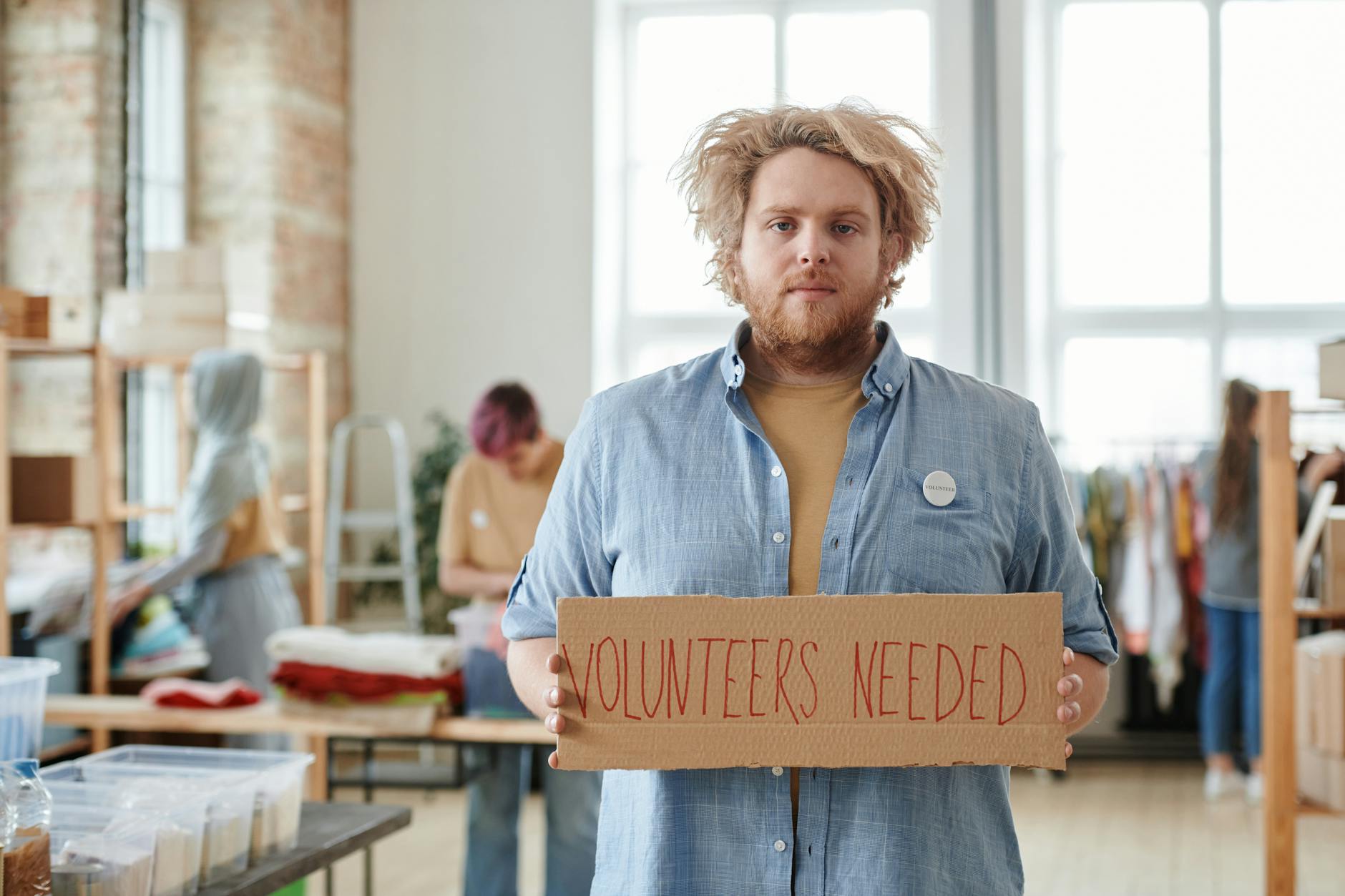
• Attend a school board meeting where real decisions get made • Volunteer together for a community service project • Participate in neighborhood clean-up days or block parties • Help with local charity drives or food banks
These experiences show your children that while big political systems might sometimes disappoint us, ordinary people can still make extraordinary differences through small acts of service and integrity.
Teaching Hope Without Naivety
One of the hardest parts of these conversations is maintaining your child’s sense of hope and possibility while still preparing them for a world that isn’t always fair. The key is focusing on what they can control: their own choices, their own integrity, their own commitment to treating others well.
“We can’t control what other people do,” you might explain, “but we can control what we do. And when lots of people decide to do the right thing, even when it’s hard, that’s how real change happens.”
Share stories of people who made a difference by standing up for what’s right — from historical figures to contemporary heroes to people right in your own community who’ve shown courage and integrity.
The Long View of Character
Remember that these conversations aren’t just about current events or political processes. They’re about raising children who will become adults of character, integrity, and civic responsibility. Every time you choose to engage thoughtfully rather than dismissively, every time you model fairness in your own daily interactions, you’re building the foundation for their future leadership.
Your children are watching how you treat the mail carrier, how you respond when the restaurant gets your order wrong, how you handle disagreements with neighbors. These everyday moments matter just as much as the formal conversations about fairness and integrity.
Creating Space for Questions
Make your home a safe place for big questions and difficult conversations. When your children bring up something they’ve heard about politics or fairness, resist the urge to dismiss their concerns or oversimplify complex issues. Instead, thank them for asking and work through the questions together.
“That’s such a thoughtful question. Let me think about how to explain this in a way that makes sense. What made you curious about this?”
Sometimes the best answer is admitting you don’t have all the answers but are willing to explore the question together.
It takes a village to raise children of character, and this village needs parents who are willing to tackle the hard conversations with grace, wisdom, and hope. Your children are counting on you to help them navigate a complex world while holding onto their sense of right and wrong. That’s not just good parenting — it’s community building at its finest.