How to Stay Connected With Your Child's School Experience: A Parent's Guide to Open Communication
Building strong partnerships with teachers and administrators ensures you're always in the loop about your child's academic and social growth.
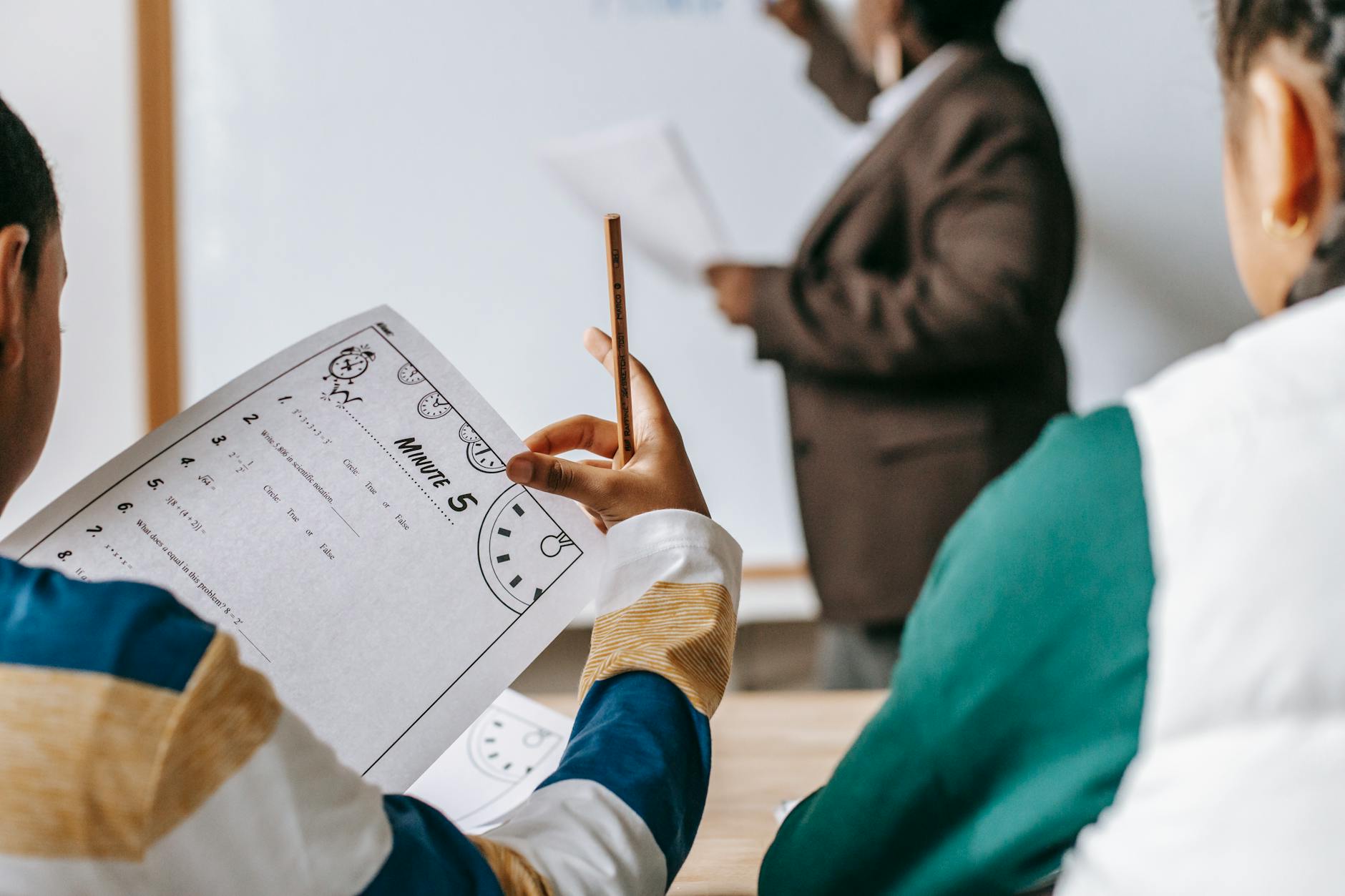
Here’s what you need to know as we head into the new school year: staying connected with your child’s educational journey has never been more important. As someone who walks these halls during parent-teacher conferences and sits in on school board meetings, I’ve seen firsthand how the strongest families are those who maintain open lines of communication with their kids’ schools.
The landscape of education continues to evolve, and many parents are asking important questions about how to stay informed about their children’s experiences. Whether it’s academic progress, social development, or navigating the complex world of middle and high school, your involvement matters more than you might think.
Building Relationships That Matter
The foundation of staying connected starts with building genuine relationships with your child’s teachers and school administrators. This isn’t about being the parent who emails daily or shows up unannounced – it’s about establishing yourself as a collaborative partner in your child’s education.
Start by introducing yourself at the beginning of each school year. Attend back-to-school nights, even if your schedule is packed with soccer practice and piano lessons. These events aren’t just formalities – they’re your chance to understand each teacher’s communication style and expectations.
I checked with several local principals, and here’s the deal: teachers remember parents who show genuine interest without being demanding. A simple email introducing your family, mentioning your child’s interests or challenges, and asking about the best way to communicate throughout the year goes a long way.
Creating Open Dialogue at Home
Your most important source of information about school life sits at your dinner table every night. Creating an environment where your kids feel comfortable sharing their daily experiences requires intentional effort, but it pays dividends.
Start with specific questions instead of the generic “How was school?” Try asking about the best part of their day, which classes they’re enjoying most, or what they talked about at lunch. These conversations often reveal more about your child’s social and emotional well-being than any report card.
• Ask about their favorite teachers and what makes those classes engaging • Inquire about friendships and social dynamics without being invasive • Listen for mentions of school policies or situations that concern them • Share your own school memories to encourage openness
Remember, these conversations work best when they’re natural and ongoing, not interrogations after something goes wrong.
Understanding School Policies and Your Rights
Every school district operates under specific policies regarding parent communication and student privacy. As parents, you have both rights and responsibilities in these relationships. Understanding these boundaries helps you advocate effectively for your family.
Most districts have clear policies about when and how they communicate with parents about academic, behavioral, and social issues. These policies are typically available on school websites or through the main office. Take time to read them – knowledge is power when you need to navigate challenging situations.
If you have concerns about any aspect of your child’s school experience, start with their teacher. Most issues can be resolved at this level through honest, respectful conversation. Document these communications – not because you’re planning for conflict, but because it helps track progress and solutions.
When Concerns Arise: A Step-by-Step Approach
Even in the best schools with the most dedicated teachers, concerns sometimes arise. How you handle these situations can make the difference between quick resolution and ongoing conflict.
Step 1: Talk to Your Child First Get their perspective on the situation. Sometimes what seems like a major issue has a simple explanation, and sometimes seemingly small concerns reveal bigger patterns.
Step 2: Reach Out Directly Contact the teacher or counselor involved. Most educators want to resolve issues quickly and appreciate parents who approach them directly rather than going over their heads immediately.
Step 3: Document Everything Keep records of conversations, emails, and any incidents. This isn’t about building a case – it’s about ensuring clear communication and tracking progress.
Step 4: Know the Chain of Command If the classroom level doesn’t resolve your concern, understand the proper next steps: department head, assistant principal, principal, and then district administration.
Supporting Your Values at Home
While schools play a crucial role in your child’s development, your family’s values and beliefs remain the primary influence in their lives. This means having ongoing conversations about the principles that guide your family’s decisions.
Regular family discussions about your values – whether around the dinner table, during car rides, or weekend walks – reinforce what matters most to your family. These conversations become especially important as children enter middle and high school, where they encounter diverse perspectives and face increasingly complex social situations.
Consider establishing family traditions that reinforce your values: weekly service projects, regular discussions about current events through your family’s lens, or involvement in community organizations that align with your beliefs.
Building Community Connections
Some of the most informed parents I know are those who’ve built networks within their school communities. This doesn’t mean joining every committee or attending every event, but it does mean staying connected with other families who share your commitment to being involved.
Parent organizations, whether formal PTAs or informal groups, provide valuable information about school happenings and policy changes. Even if you can’t attend every meeting, connecting with parents who do can keep you informed about important developments.
Volunteering, when your schedule allows, gives you firsthand insight into your child’s school environment. Whether it’s helping with field day, chaperoning dances, or reading to elementary classes, these experiences help you understand the culture and dynamics of your child’s daily world.
Moving Forward Together
The goal isn’t to micromanage your child’s education or to view teachers as adversaries. Instead, it’s about creating partnerships that support your child’s growth while maintaining the family values that matter most to you.
Remember that teachers and administrators are generally dedicated professionals who care about your child’s success. Most want to work with parents, not against them. Approach these relationships with respect, clear communication, and the understanding that you’re all working toward the same goal: helping your child thrive.
As we navigate the evolving landscape of education, staying connected doesn’t mean being confrontational. It means being present, informed, and ready to advocate for your child when necessary while supporting the educators who spend their days investing in your family’s future.
Your involvement in your child’s education sends a powerful message – to your child, their teachers, and your community – that education matters, family values matter, and working together always produces the best outcomes for everyone involved.